
The Brand Decision Everyone Loves to Hate
“To bring back such a globally renowned brand we had to be fearless. Jaguar was always at its best when challenging convention.” Rawdon Glover, Jaguar Managing Director
In November 2024, Jaguar made a brand decision that broke the internet.
Not because people loved it. Because they hated it.
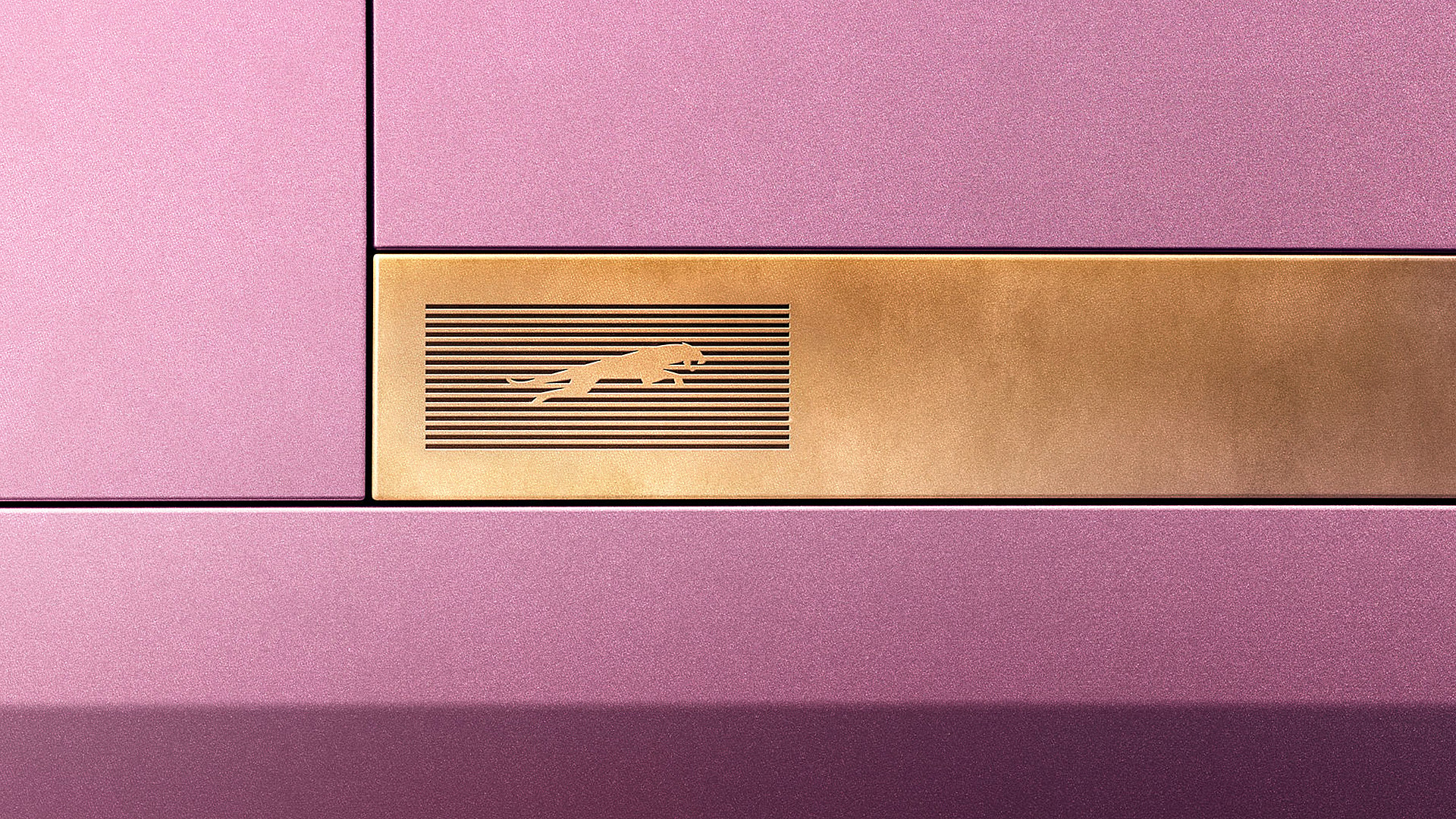
The company unveiled a radical rebrand—no cars in the ads, androgynous models, abstract visuals, and slogans like “Delete Ordinary.” The iconic growler logo was gone (it made no sense for a car that doesn’t growl), replaced by a minimalist wordmark mixing upper and lowercase letters. The leaping cat was retained but reimagined within a new design language.
The reaction was swift and brutal. Elon Musk mocked them: “Do you sell cars?” Critics called it “woke garbage.” Social media erupted. Marketing experts declared it the “worst brand move of 2024.”
But here’s what the critics missed: Jaguar wasn’t making this decision for them.
The Slow Death of Beige
For two decades, Jaguar had been dying a slow, respectable death.
Under Ford’s ownership from 1989 to 2008, the brand was systematically hollowed out. The X-Type became one of the worst examples of badge engineering, essentially a Ford Mondeo with Jaguar styling slapped on top. Ford’s business decisions prioritised cost savings and mass-market appeal over brand distinctiveness.
The damage was catastrophic. As one industry observer noted, it “diluted brand equity and horrified the loyal fan base.”
Even after Tata Motors bought Jaguar in 2008 and attempted a revival, the brand never recovered. Sales collapsed from 180,833 cars in 2018 to just 33,000 in 2024—an 82% decline. In the first half of 2025, Jaguar accounted for only 8% of Jaguar Land Rover’s volumes.
The business metrics were clear: Jaguar was competing unsuccessfully with BMW, Audi, and Mercedes. It had competent cars but no compelling reason to choose them.
The safe business decision would have been to make incremental improvements. Better marketing. Competitive pricing. Gradual updates.
Instead, Jaguar chose to blow everything up.
The Complete Reset
Jaguar’s brand decision was radical: abandon 85% of current customers to create something entirely new.
The company stopped all production to prepare for a 2026 relaunch as an ultra-luxury, all-electric brand. Prices will roughly double. Target customers are described as “younger, wealthier, and more urban”—“cash rich, time poor” buyers who make emotional decisions based on design and status.
As Managing Director Rawdon Glover explained: “If we play in the same way that everybody else does, we’ll just get drowned out. So we shouldn’t turn up like an auto brand.”
This isn’t about selling more cars. It’s about selling fewer cars at much higher prices to people who see them as cultural statements, not transportation.
The Delighter Strategy
Jaguar’s approach perfectly embodies Kano Theory. Specifically, the focus on Delighters rather than basic expectations or performance attributes.
Traditional automotive thinking optimises for:
- Basic Expectations: Reliability, safety, fuel economy
- Performance Attributes: More horsepower, better handling, competitive pricing
But Jaguar abandoned that game entirely. As Managing Director Rawdon Glover explained: “We were really trying to play in the playground of the German premium brands… it’s brutally competitive and wasn’t a place where Jaguar was gonna thrive.”
Instead, they went straight for Delighters, features that surprise and emotionally excite:
- Radical, polarising design that creates visceral responses
- Cultural positioning (Paris Fashion Week, NBA All-Stars, not car shows)
- Exclusivity and scarcity as selling points
- “Copy Nothing” philosophy that surprises rather than satisfies expectations
“We want Jaguar to be exuberant, we want it to be visceral. We want it to really stand out,” Glover said. “Great design is not [about pleasing everyone]… You’ll end up with vanilla. Six, seven out of 10… we see the highest proportion of people saying it’s a nine or a 10.”
This is pure Delighter strategy. They’d rather have people rate them 2/10 or 10/10 than have everyone rate them 6/10. Because at £100,000+ price points, you’re not buying transportation. You’re buying delight.
“Where are the cars?” Critics complained that the launch ads showed no vehicles. But that was the point. Jaguar wasn’t selling cars—it was selling an idea. Creating intrigue before revealing the product.
“It’s too woke.” The diverse casting and abstract visuals triggered culture war reactions. But Jaguar’s target audience—young, wealthy urbanites—likely saw this as progressive and relevant.
“They’re alienating loyal customers.” Exactly. Jaguar can’t afford loyal customers buying £40,000 cars. It needs new customers buying £100,000 cars.
“Nobody asked for this.” As Henry Ford supposedly said, if he’d asked customers what they wanted, they’d have said faster horses.
The critics were judging Jaguar by the wrong metrics—business metrics focused on mass appeal and incremental improvement.
The Brand Metrics That Matter
By brand metrics, the rebrand was immediately successful:
Attention: The campaign generated over 2 million YouTube views and dominated automotive conversations for weeks.
Differentiation: No one could confuse the new Jaguar with any other luxury brand.
Conversation: From boardrooms to social media, people were talking about Jaguar for the first time in years.
Clarity: The brand’s new direction was unmistakable, even if polarising.
As one marketing expert noted: “Everyone has an opinion on this rebrand… People are talking about Jaguar, including people outside its traditional customer base.”
In Kevin Kelly’s terms, Jaguar wasn’t trying to win millions of casual followers. It was seeking “1,000 true fans” passionate enough to become advocates and pay premium prices.
Found, Not Yet Understood
Could the execution have been smoother? Absolutely. The jarring disconnect between the abstract launch ads and luxury car expectations created unnecessary confusion.
But the organic reach was extraordinary. As the saying goes, “there’s no such thing as bad publicity”, and Jaguar proved it. The controversy ensured everyone knew something had changed.
Now comes the harder part: being understood. And ultimately, loved.
When Jaguar revealed the Type 00 concept car in December, it was bold, angular, and uncompromisingly futuristic. Some called it brilliant. Others called it hideous. But no one called it boring.
The first production car arrives in summer 2026. That’s when we’ll see if Jaguar’s brand decision translates into the one metric that matters: desirability among people who can afford £100,000 cars.
The Lesson
Jaguar’s rebrand teaches us something crucial about brand decisions: sometimes you have to stand for something so strongly that many will stand against it.
In a saturated market, competence isn’t enough. You must differentiate on an emotional plane. And emotional differentiation often means controversy.
The safe business decision would have been to make Jaguars slightly better, slightly cheaper, slightly more appealing to slightly more people. That’s the path to slow, dignified irrelevance.
The brand decision was to make Jaguars dramatically different, dramatically more expensive, and dramatically more meaningful to dramatically fewer people.
It’s better to be unforgettable to a few than forgettable to many.
When the automotive world is heading toward a sea of sleek EV silhouettes that all look the same, Jaguar chose to ensure it stands out, not by blending in, but by creating a distinct narrative that resonates with those who appreciate daring moves.
Critics who judge this by traditional automotive metrics miss the point entirely. Jaguar isn’t competing with BMW on practicality or value. It’s competing with Hermès on exclusivity and cultural cachet.
The question isn’t whether most people like the rebrand. The question is whether the right people—young, wealthy, design-conscious buyers seeking cultural distinction—will love it enough to pay premium prices.
That’s the difference between business decisions and brand decisions.
Business decisions optimise for the customers you have. Brand decisions create the customers you need.
This builds on Stop Making Business Decisions—the foundational piece on choosing brand to make better business decisions.