
The Cost of Making Has Collapsed. The Cost of Finding Has Exploded.
The cost of making has collapsed, filling markets with plausible abundance. That makes trusted judgement, consistent behaviour and brands willing to choose more valuable than ever.


The cost of making has collapsed, filling markets with plausible abundance. That makes trusted judgement, consistent behaviour and brands willing to choose more valuable than ever.
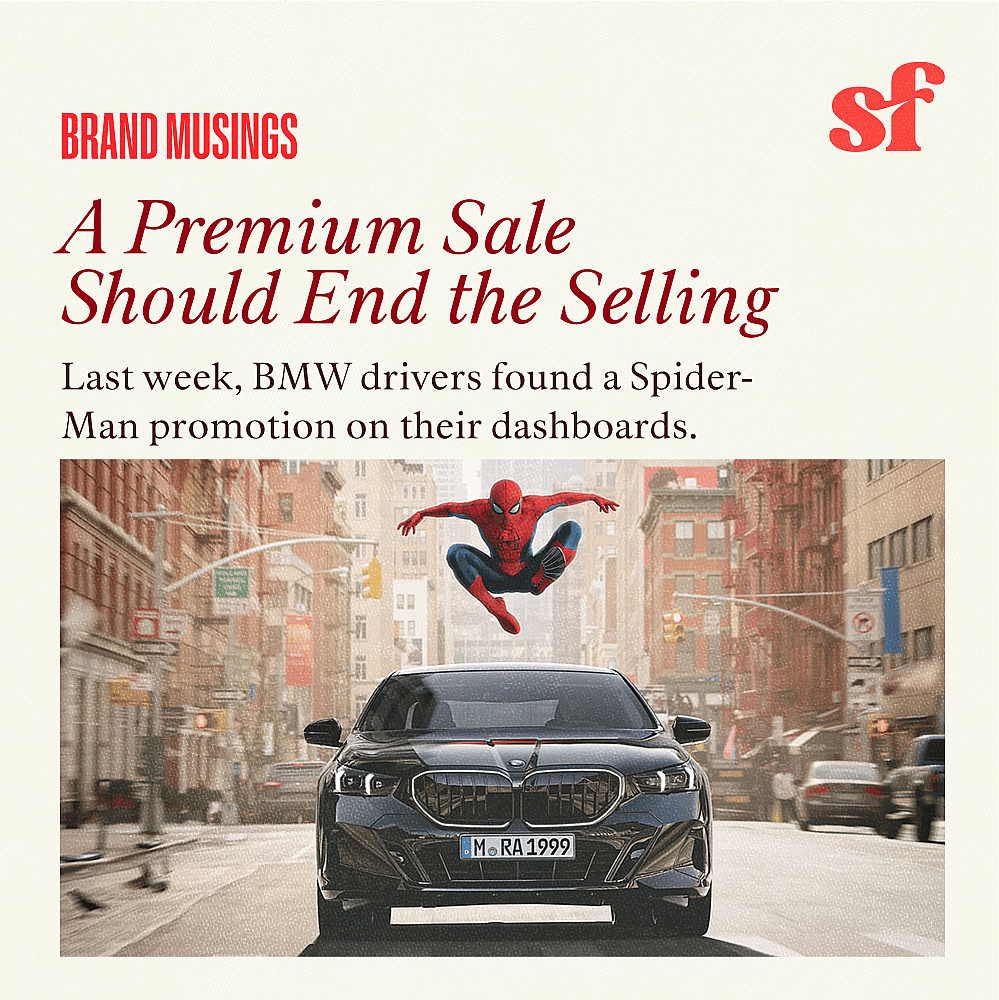
Spider-Man on the dashboard. U2 in the library. Twelve years apart, the same forgotten promise.
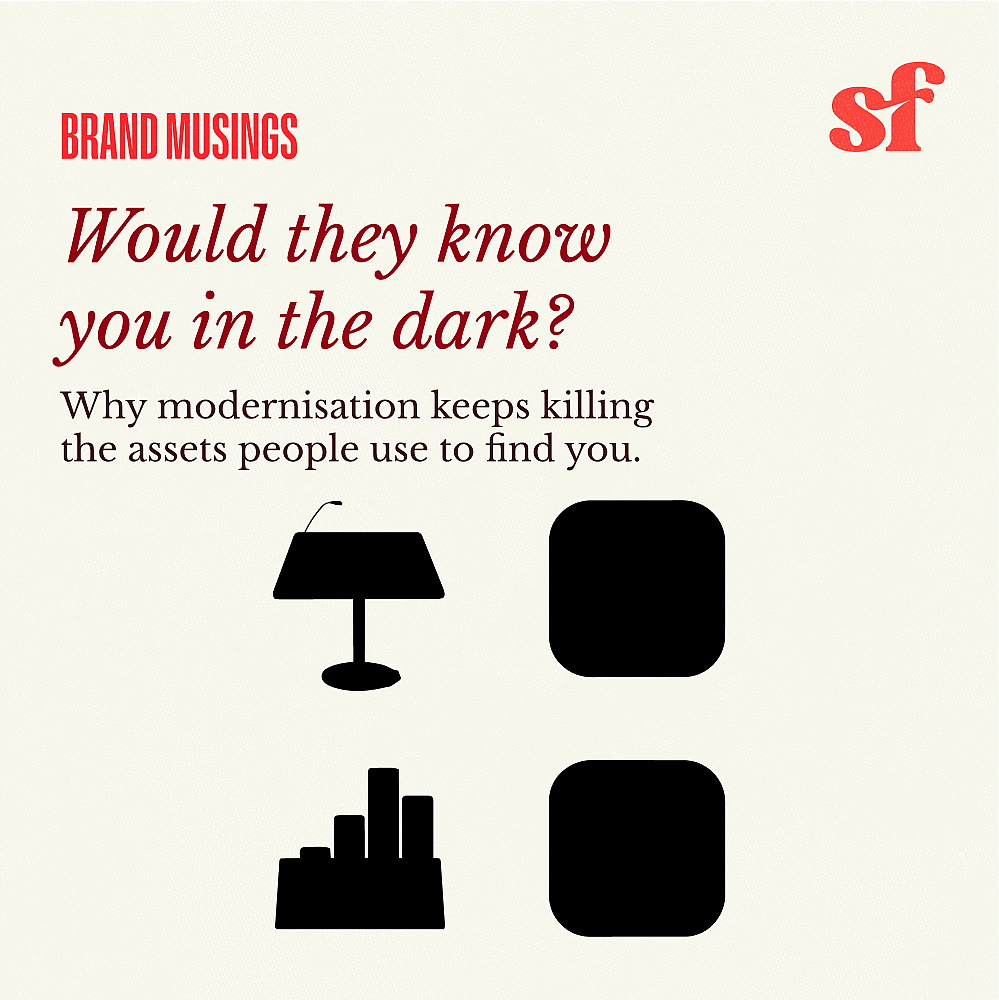
Apple made its own platform harder to navigate in the name of consistency. Most brands make the same move voluntarily — redesign by redesign, until the silhouette that shoppers use to find them is gone. A piece about shape, memory, and the digital shelf.
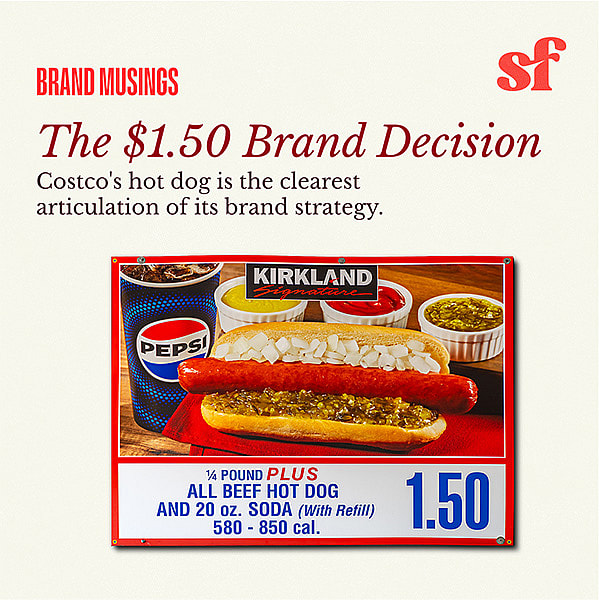
Costco’s hot dog has cost $1.50 since 1985. Why that refusal is the cleanest brand strategy ever written — and the one test every leadership team should run.
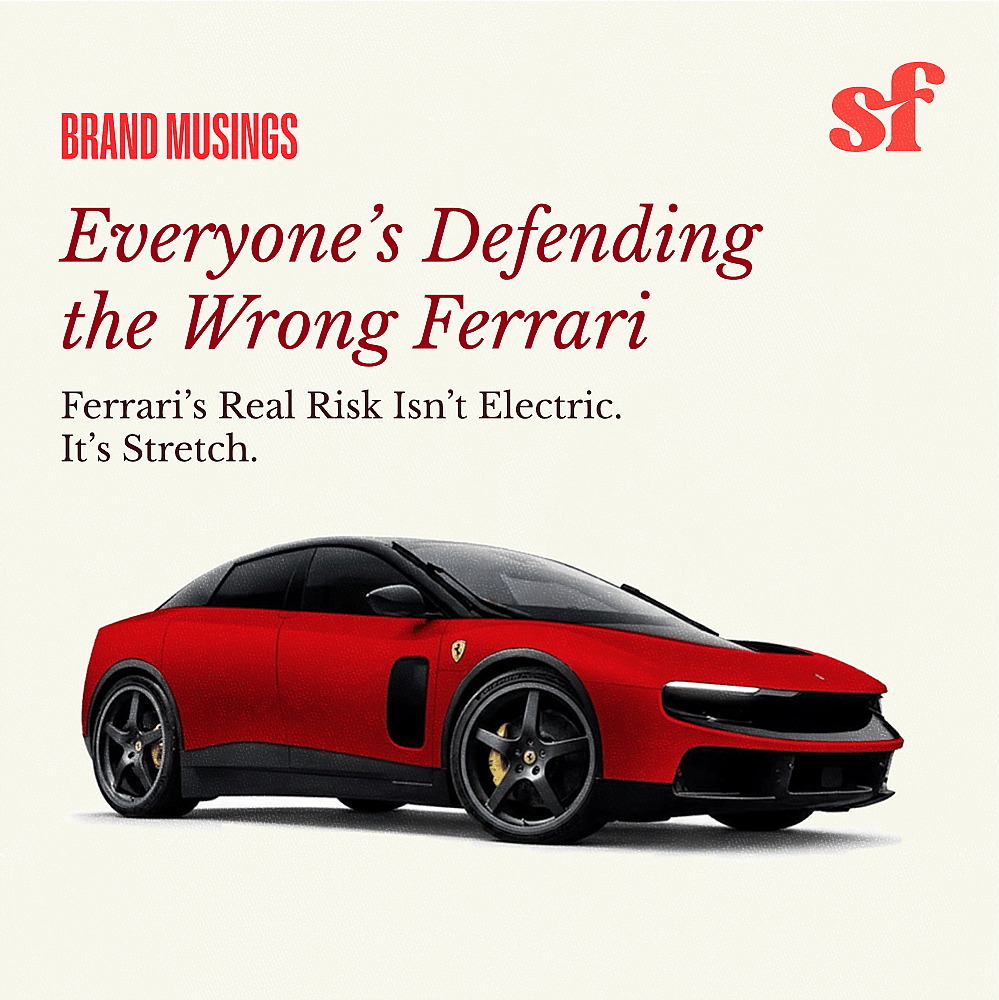
A strong reaction isn’t a verdict. It’s a mood. What the Luce pile-on misses about Ferrari, Porsche, Jaguar — and your brand.
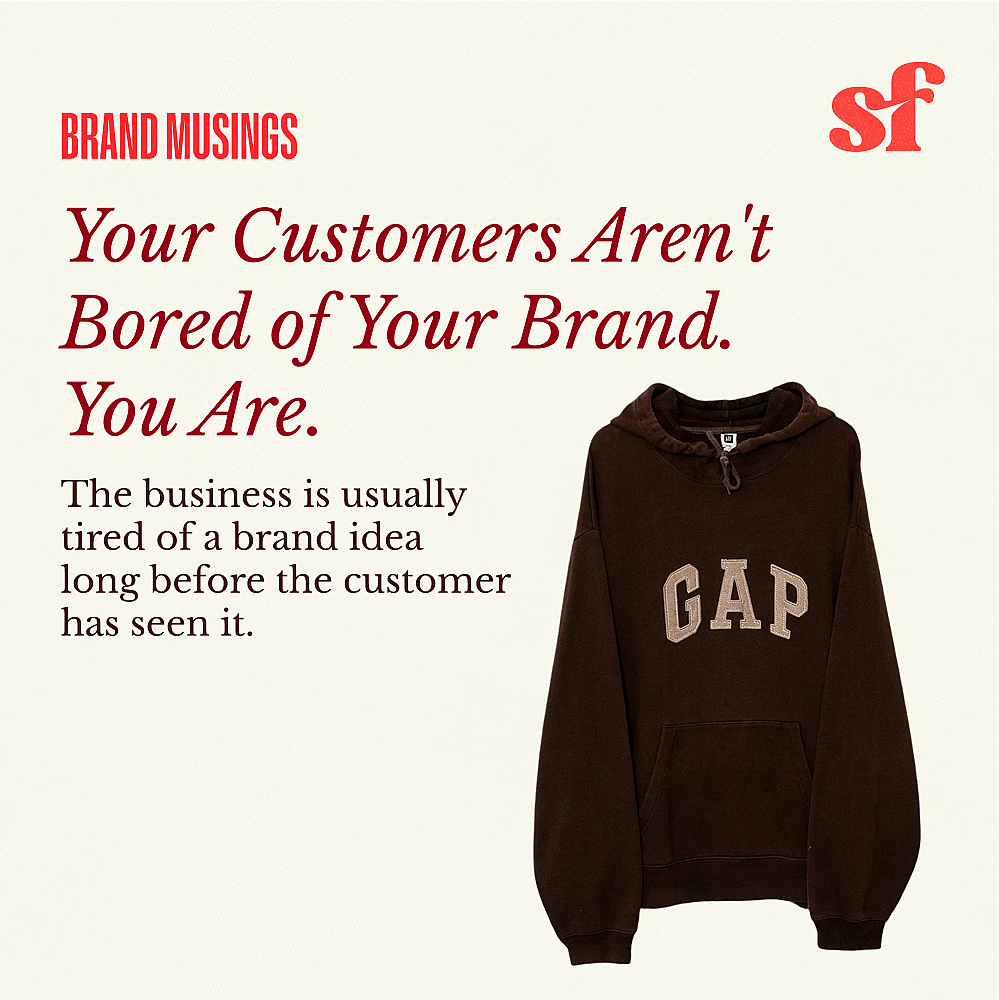
A brown Gap hoodie, a Skittles Pride pack, and the most expensive mistake in brand management.
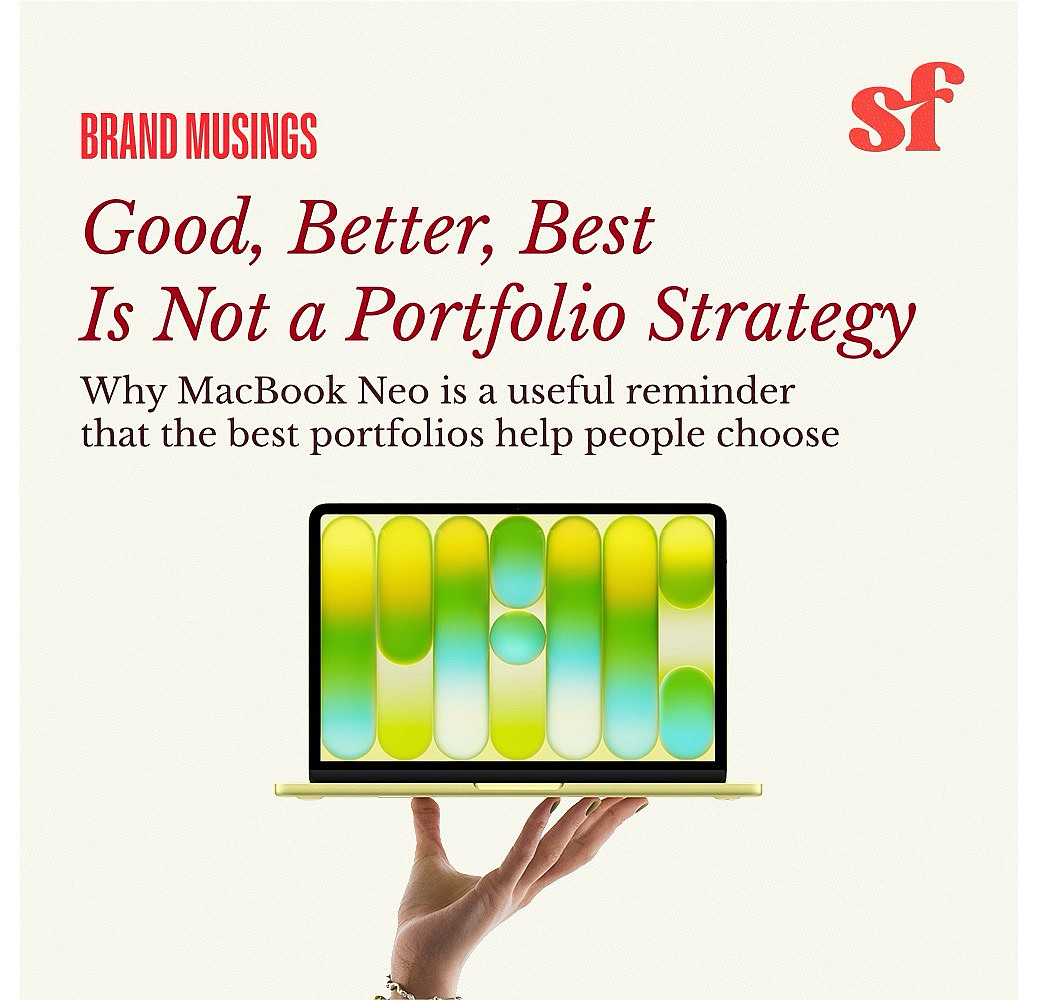
Most businesses think they have a portfolio strategy because they have a pricing ladder. They don’t. They have price points. What MacBook Neo tells us about helping people choose.
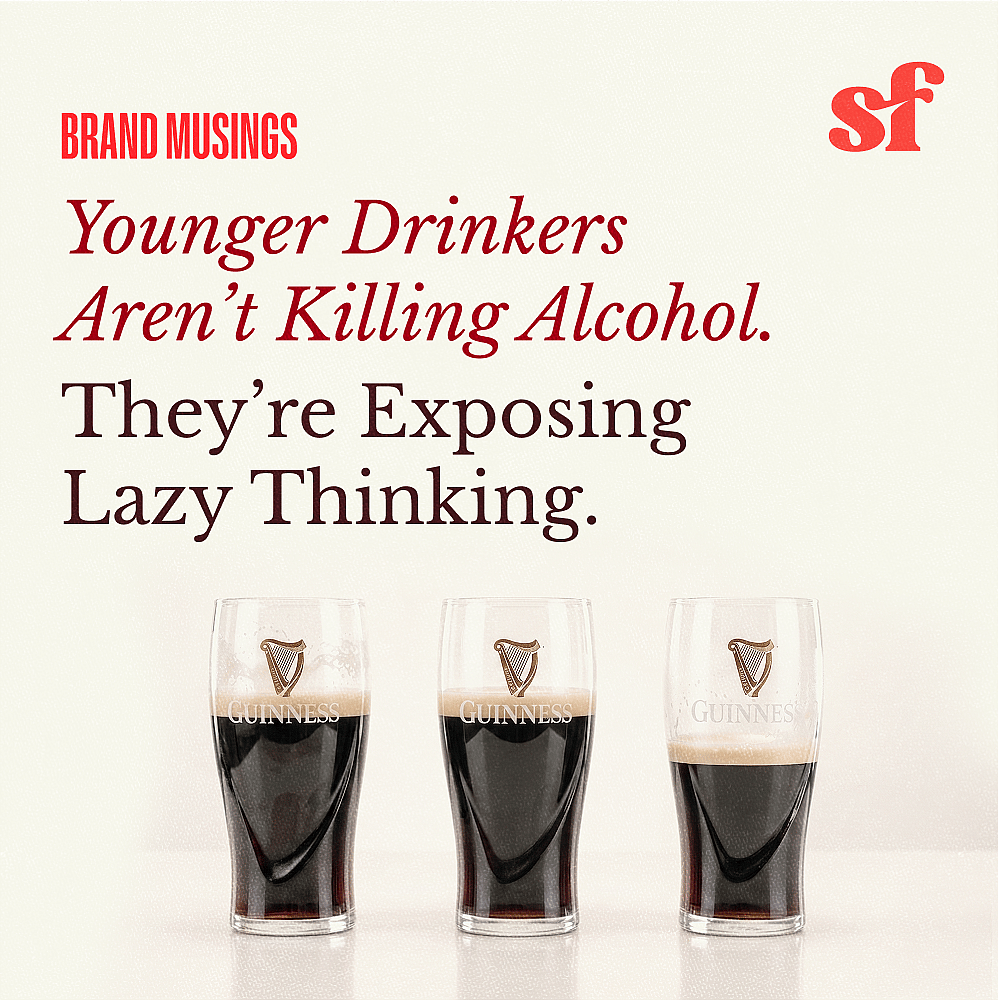
The drinks industry has spent years worrying that younger people don’t drink. The bigger problem may be that too many drinks brands don’t know what they’re for. A new thought piece on occasion editing, brand rituals, and why selective beats sober.
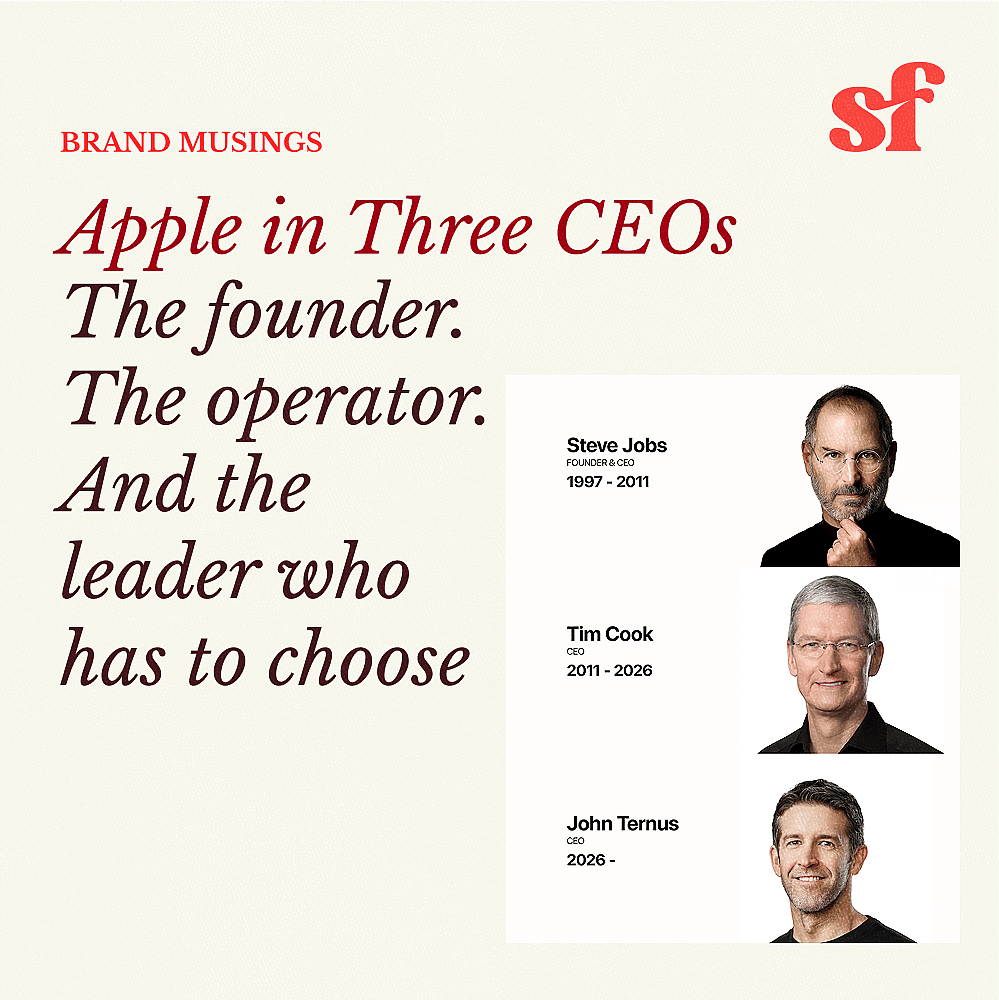
Steve Jobs rebuilt belief. Tim Cook scaled it. Now John Ternus inherits one of the most valuable businesses in the world and faces the question that defines every third-era leader: what do you protect when the system is working, but the feeling starts to thin?
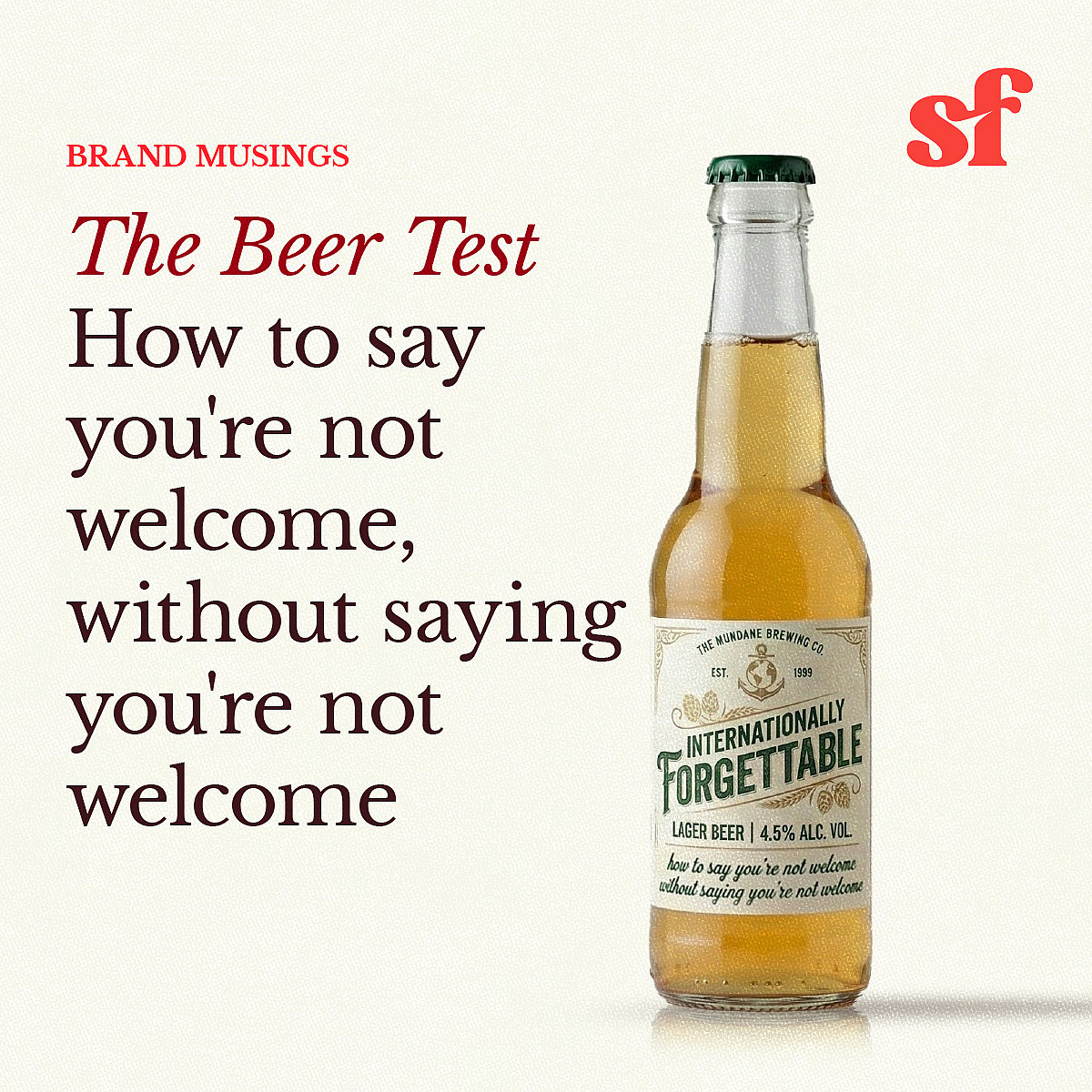
I’m standing at the bar of one of the finest hotels in the world. Marble everywhere. A wine list thick enough to use as a doorstop. I ask for a beer.
What happened next isn’t a brand failure you’d see in a case study. But it is one of the most common — and costly — mistakes a brand can make.
This is about the gap between the guest you imagined and the guest who actually showed up. And what your beer list says about who your brand was really built for.
Part two of my Expo West thoughts. When every brand adds protein, protein stops being a point of difference. This piece looks at the protein arms race, why it leads to sameness, and what brand leaders should ask before launching the next protein SKU.
At Expo West 2026 I overheard a conversation that perfectly captured the state of the food industry. A man looked at a waffle and asked, “But what does it do?” The answer: “You eat it. It makes you happy.” In an industry racing toward protein, functionality and optimisation, the moment raised a bigger question—when did food stop being enough?
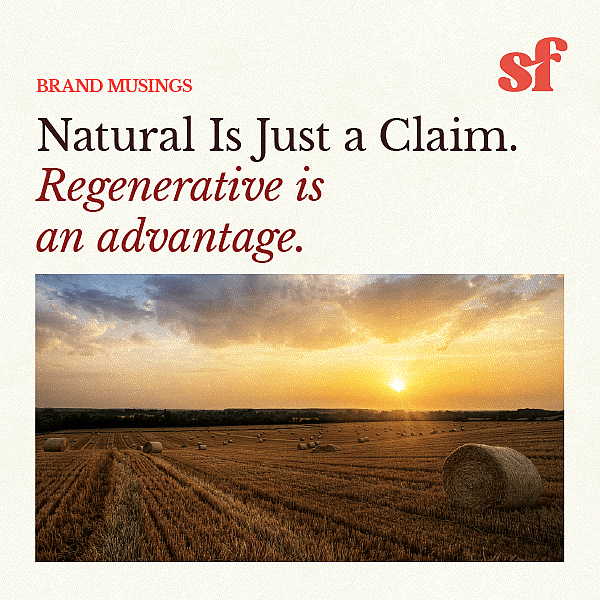
Natural used to mean something. Now it’s everywhere — and when everyone claims purity, the signal collapses. The brands winning the next phase of food growth aren’t being less bad. They’re being actively better.
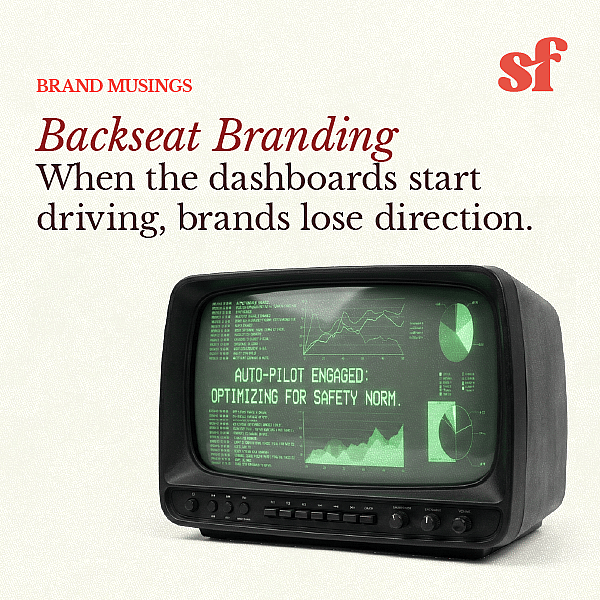
Most brand decisions aren’t decisions at all. They’re motions dressed up as choices—optimised for safety, backed by dashboards, defended by data. In the age of AI and short-term optimisation, the Brand Auteur is becoming more valuable, not less.
When the government mandates natural and PepsiCo removes synthetic dyes, what separates challenger brands? Not ingredients. Story. Regenerative agriculture offers food brands what provenance offers luxury: a credential competitors can’t copy because they didn’t earn it.
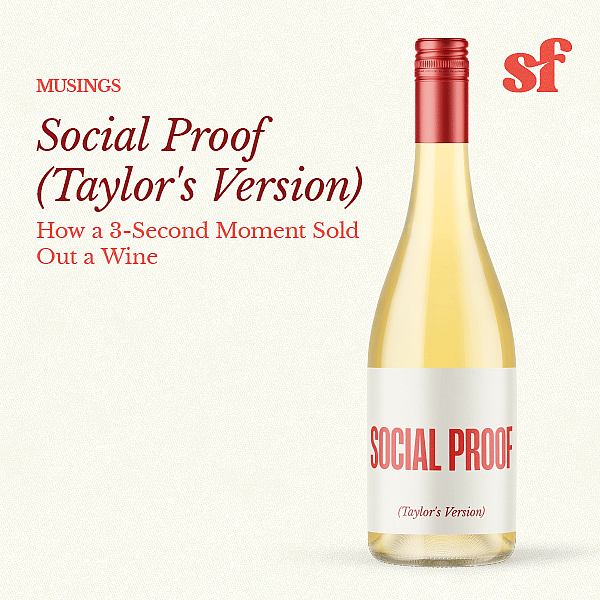
A bottle appears on screen for seconds. No close-up. No #ad. Just a glass of Sancerre in a Taylor Swift documentary. And then it sells out. The product didn’t win because it was promoted. It won because it was chosen—and witnessed. That’s social proof in its purest form.
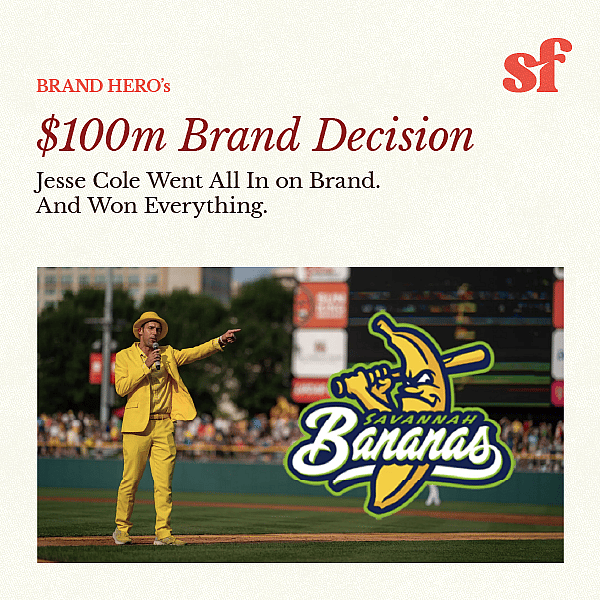
I’d never heard of the Savannah Bananas. But twenty minutes into listening to Jesse Cole speak, I realised I was hearing one of the clearest modern examples of brand-first leadership I’ve ever come across. Not marketing. Not storytelling. Not gimmicks. Brand decisions — taken to their logical extreme.
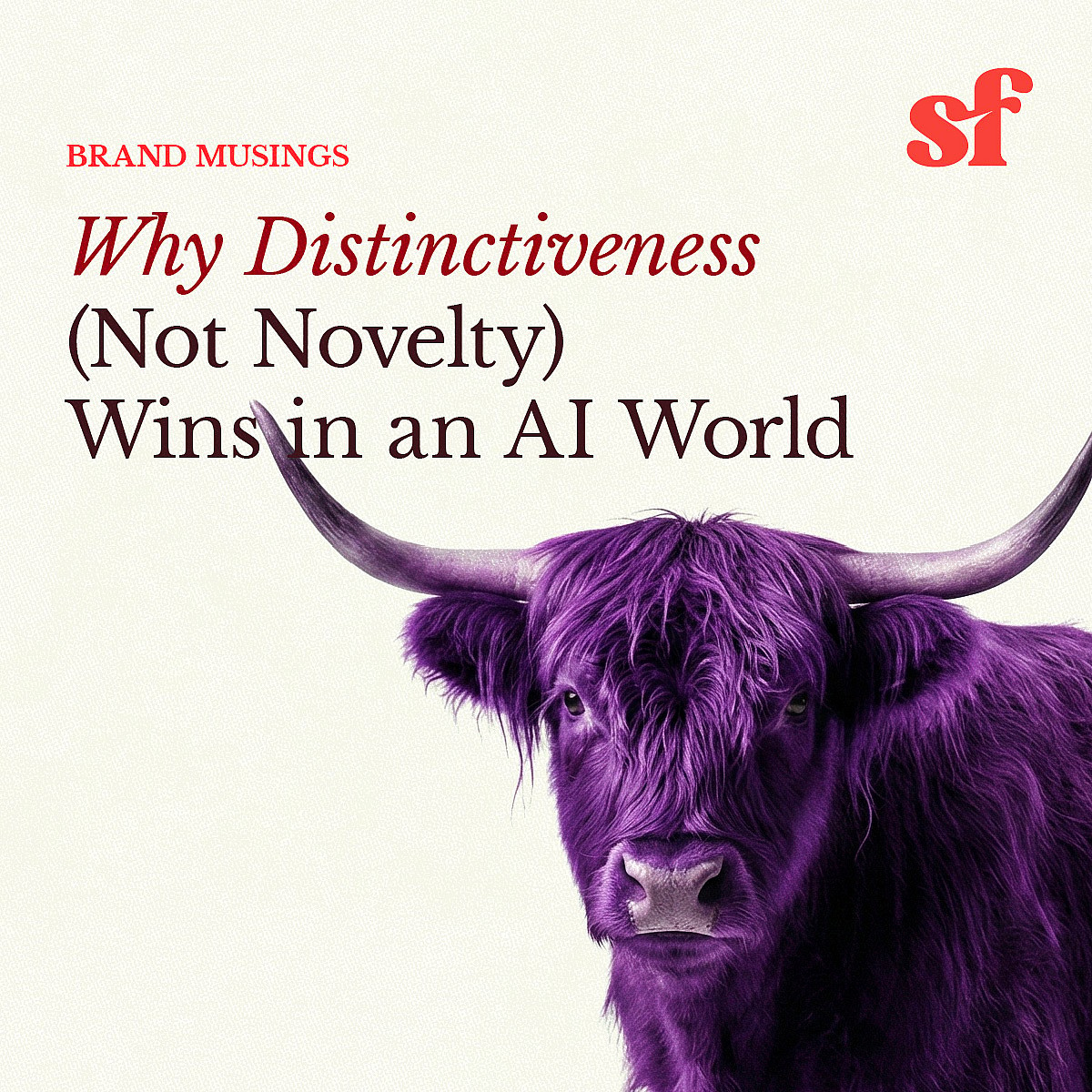
We’re entering an era where novelty is cheap. Ideas are faster, execution is easier, content is endless. AI can generate concepts, visuals, and campaigns in seconds.
And yet brands are starting to feel more similar than ever.
That’s the paradox: the easier it becomes to make new things, the harder it becomes to make meaningful ones. Because novelty isn’t the same as distinctiveness—and confusing the two is quietly eroding brand value.
The brands that win in 2026 won’t out-innovate AI. They’ll out-mean it.
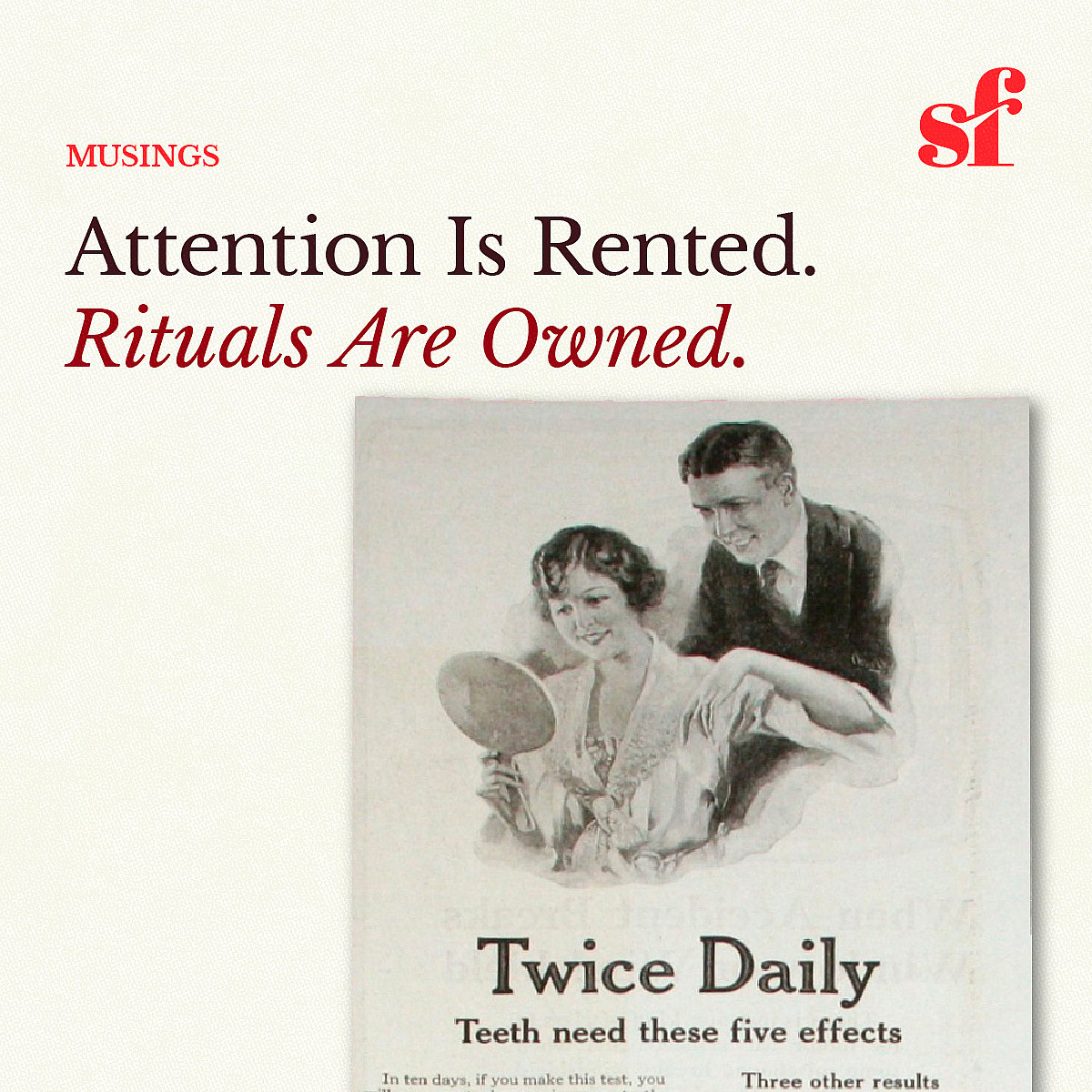
Most brands fight for attention. The smartest ones fight for a place in the daily routine. Mental availability gets you considered. Behavioural integration makes you irreplaceable.
AI shopping is here — and it changes everything about how people discover and buy. With ChatGPT now handling the full journey inside the chat window, digital retail finally gets the flow and immediacy physical stores have always owned. For brands, this isn’t another channel. It’s a new battleground for relevance, clarity and recommendation.
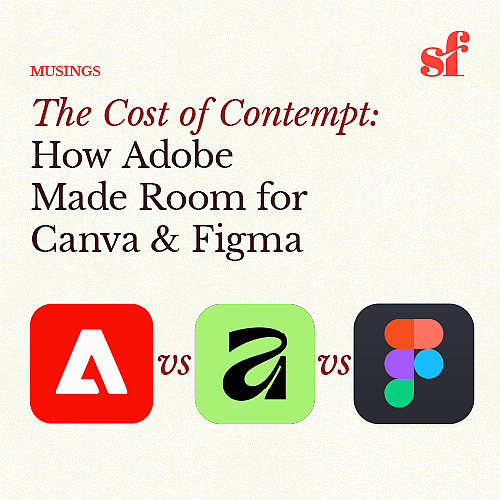
After decades of monopoly, Adobe’s Creative Cloud empire is under threat. Canva and Figma aren’t just building better tools—they’re building better relationships. This is the story of how customer contempt creates opportunity, and why every category leader should remember: the real moat isn’t market share, it’s trust.
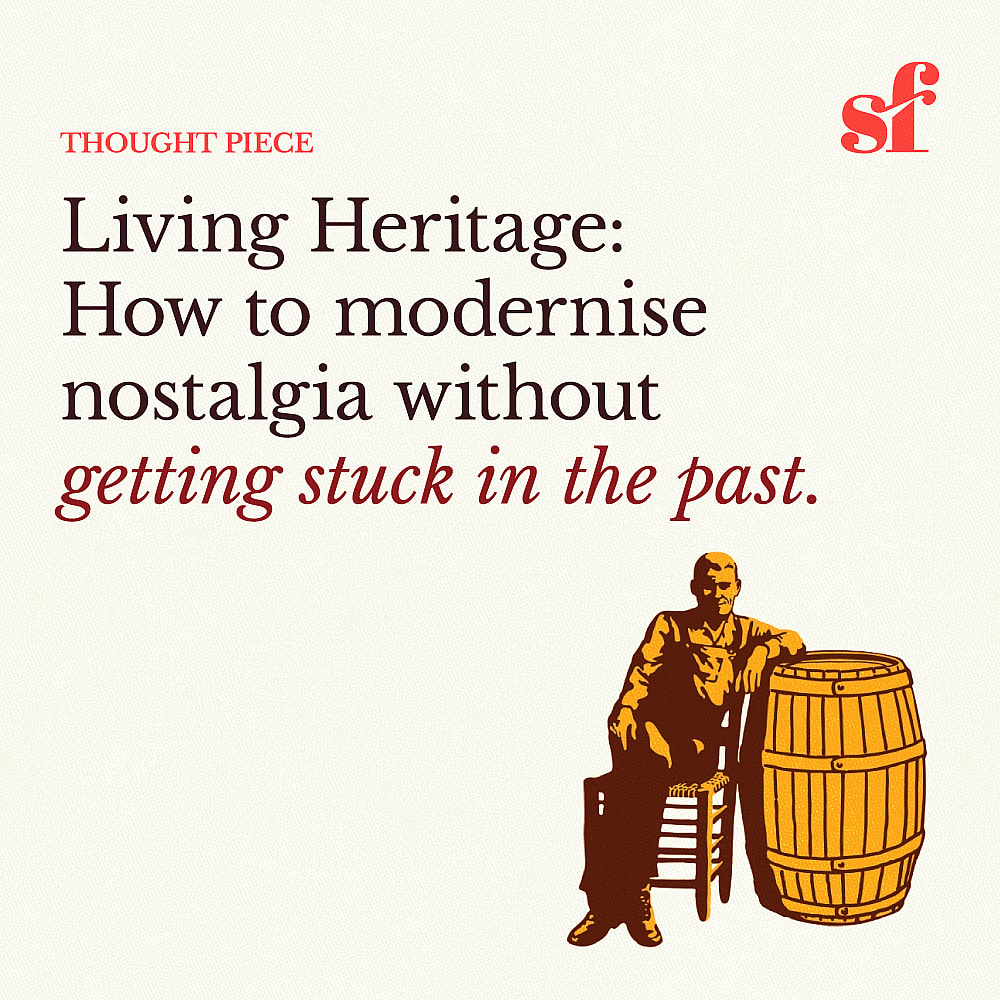
Every few months, another beloved brand “modernises”—and forgets that heritage isn’t a problem to solve. It’s an unfair advantage waiting to be re-energised. When done with care. Learn why protecting values beats preserving versions, and how to turn heritage into a flexible system that grows with culture.
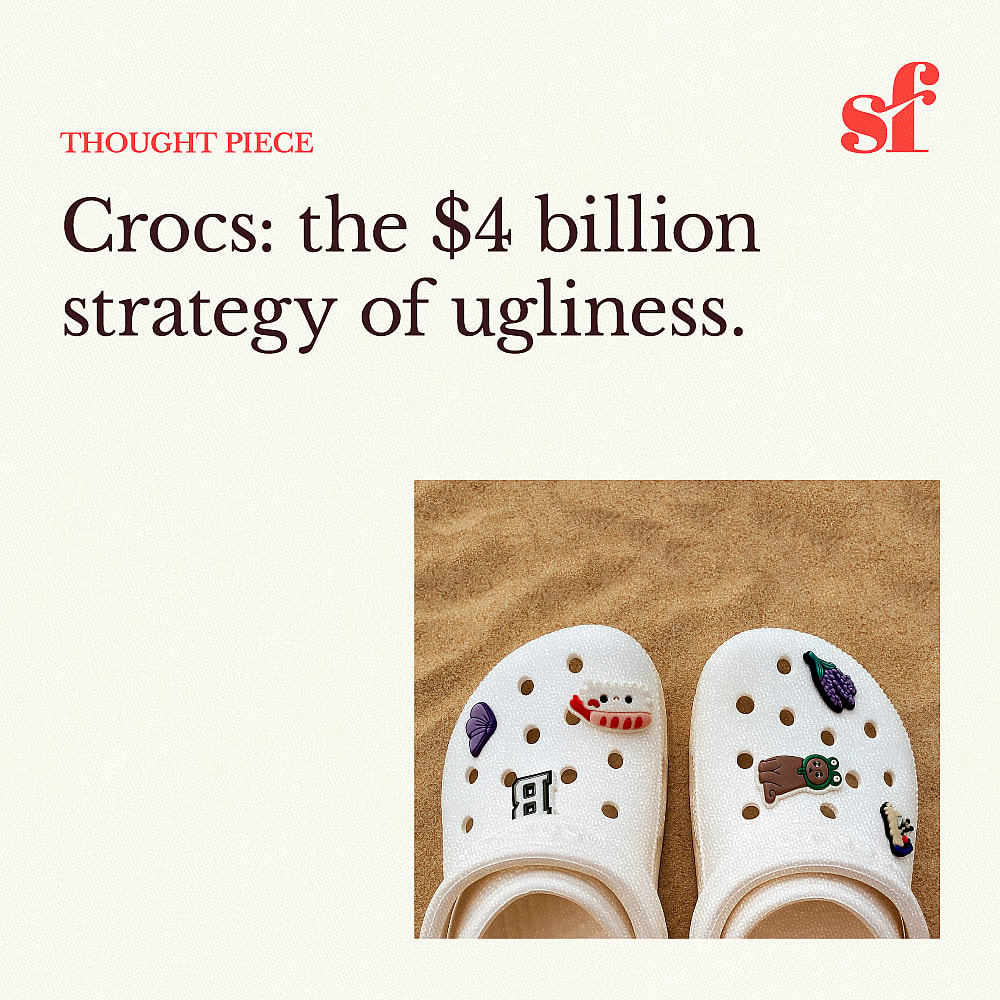
Crocs were mocked as the world’s ugliest shoe and ranked alongside asbestos as one of TIME’s worst inventions. Instead of redesigning, they doubled down on what made them different. The result? $4 billion in revenue by turning polarisation into power and giving fans permission to make the product their own.
Brands with less than 2% market share captured 39% of all incremental category growth in 2024. Up from 17% in 2023 and just 6% in 2022, according to Bain’s research into 120 insurgent brands.
The question isn’t what these brands are doing differently. It’s how they’re making decisions.
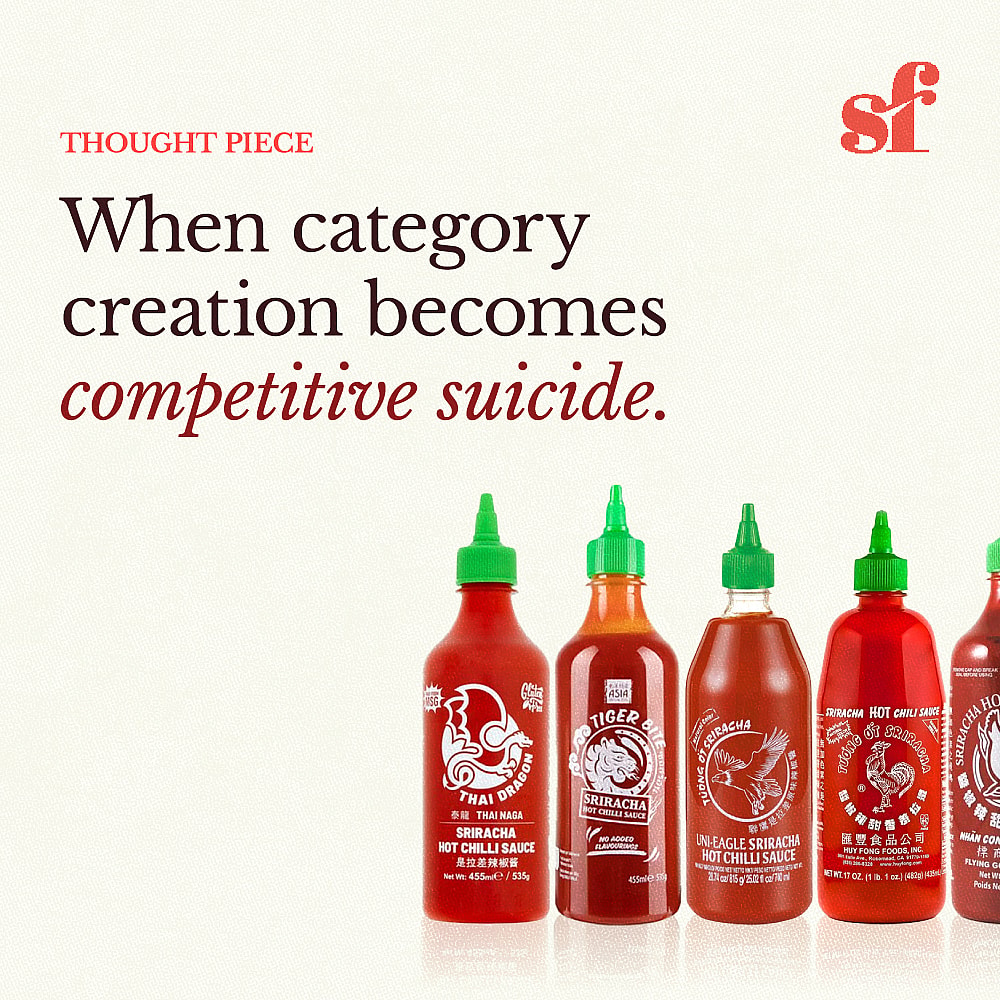
David Tran built an empire on authenticity and product obsession. But when sriracha shortages hit, shoppers like my wife grabbed any red bottle with a green cap. That’s the danger of category creation without brand ownership: competitors get the spoils. Here’s what every founder and CMO should learn from the rooster bottle’s fall.
ChatGPT became the fastest-growing consumer brand by accident. Now OpenAI must make intentional brand decisions to protect love and trust.
Everyone got Jaguar’s rebrand wrong. The controversial campaign wasn’t brand suicide—it was strategic brilliance. Here’s why it’s working.
In times of pressure, it’s easy to default to what’s measurable—efficiency, cost, ROI. But great brands aren’t built that way. This piece explores why choosing brand-first thinking leads to deeper connections, longer-term value, and competitive edge.
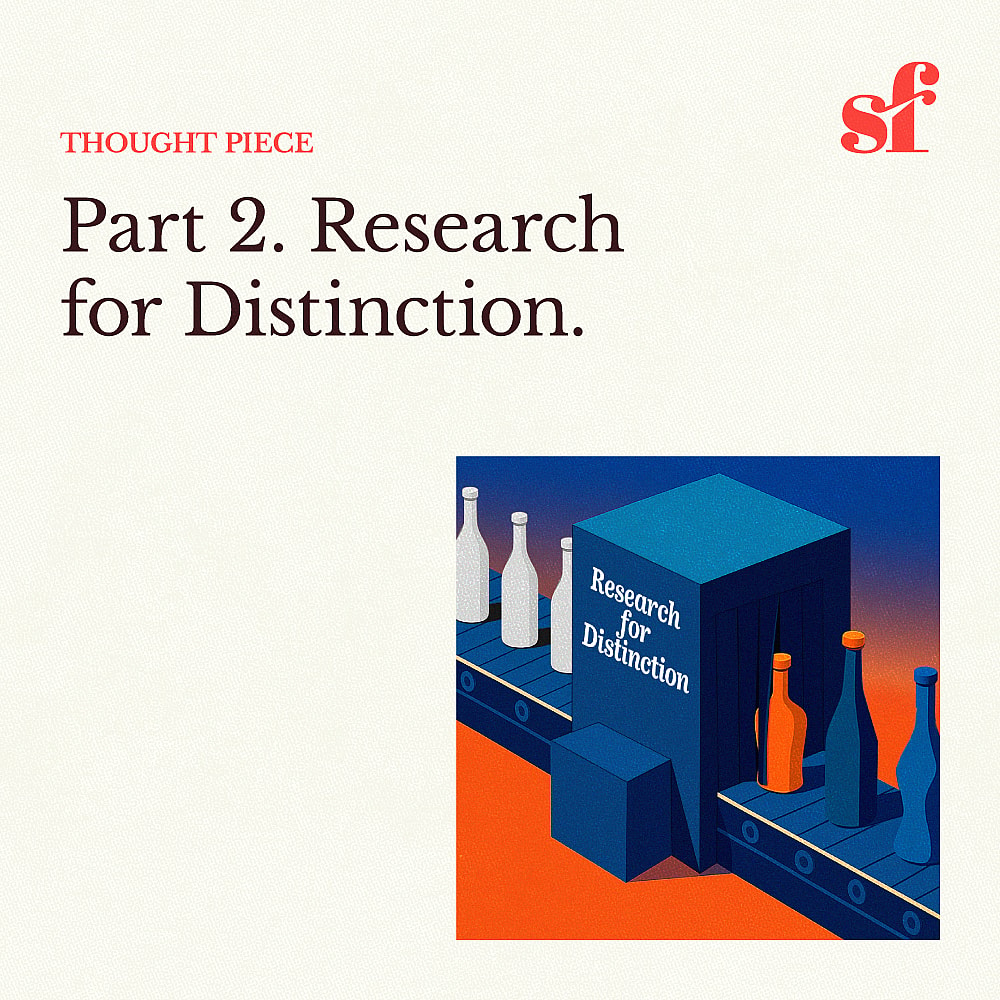
In Part 1: Researched to Average, I outlined how our obsession with research is averaging everything to death. But the solution isn’t to abandon data, it’s to use it strategically.
The research itself is damning: half of ads trigger no emotion at all. Zero. Nothing. That isn’t just boring, it’s ruinously expensive. According to a System1 report, to lift the performance of those dull ads to the level of good work would cost an extra $189 billion in media spend!
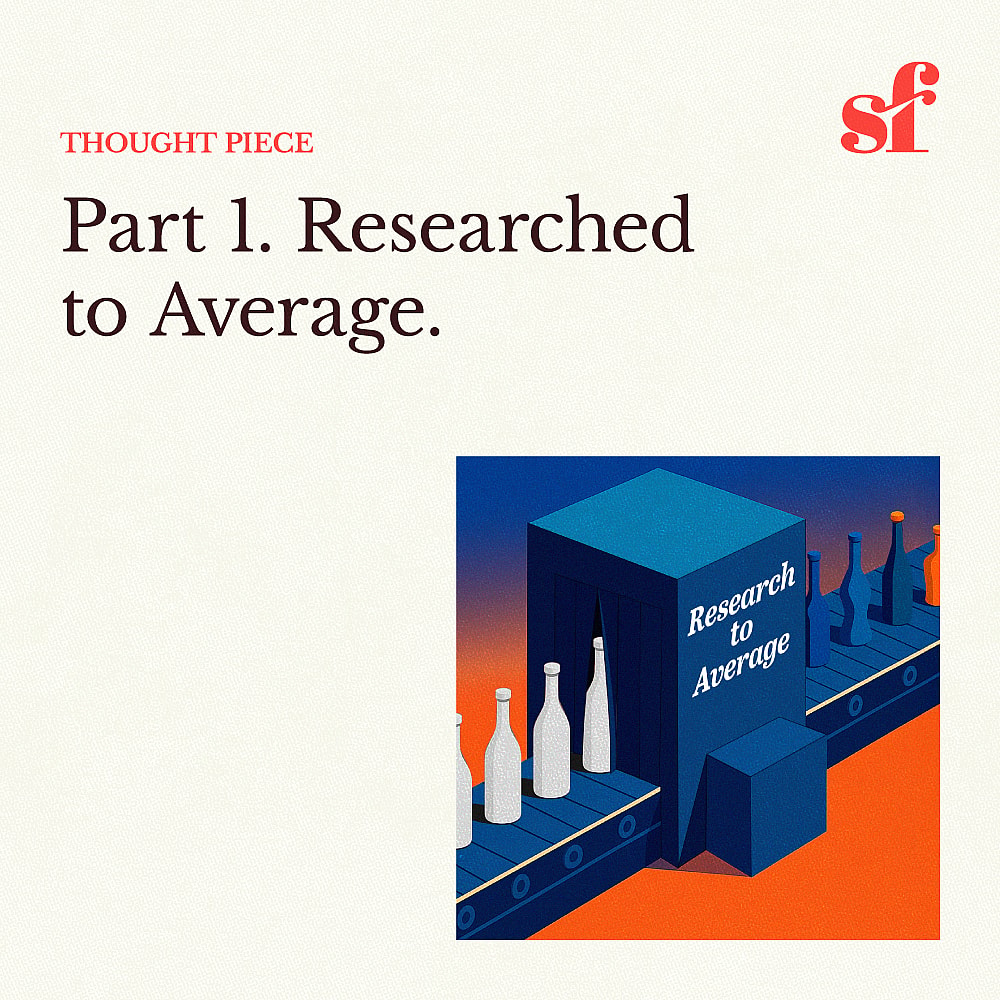
Researched To Average. How Our Data Obsession is Optimising Everything to Nothing, and the cost is huge. When every brand looks the same, every brand becomes interchangeable.
Nike didn’t just lose market share—they gave it away. A sharp look at how retreating from visibility undermined brand power, and what it means for every modern marketer.
Every great company faces a fork in the road: Optimise the business you’ve built—or stay true to the brand that built it. The business lens says: squeeze more revenue, ship faster, control the ecosystem. The brand lens says: create better experiences, earn more trust, lead through vision.
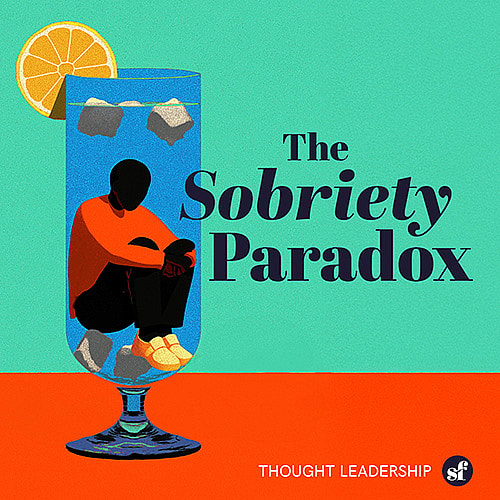
Sobriety offers benefits, but are we discarding aspects of human connection & creativity? Explore the ‘Sobriety Paradox’ & a nuanced future for alcohol.