
Luxury means nothing if you only design for the guest you imagined.
I’m standing at the bar of one of the finest hotels in the world.
Marble everywhere. Staff outnumbering guests. A cocktail menu that reads like a short novel. A wine list thick enough to use as a doorstop.
I ask for a beer.
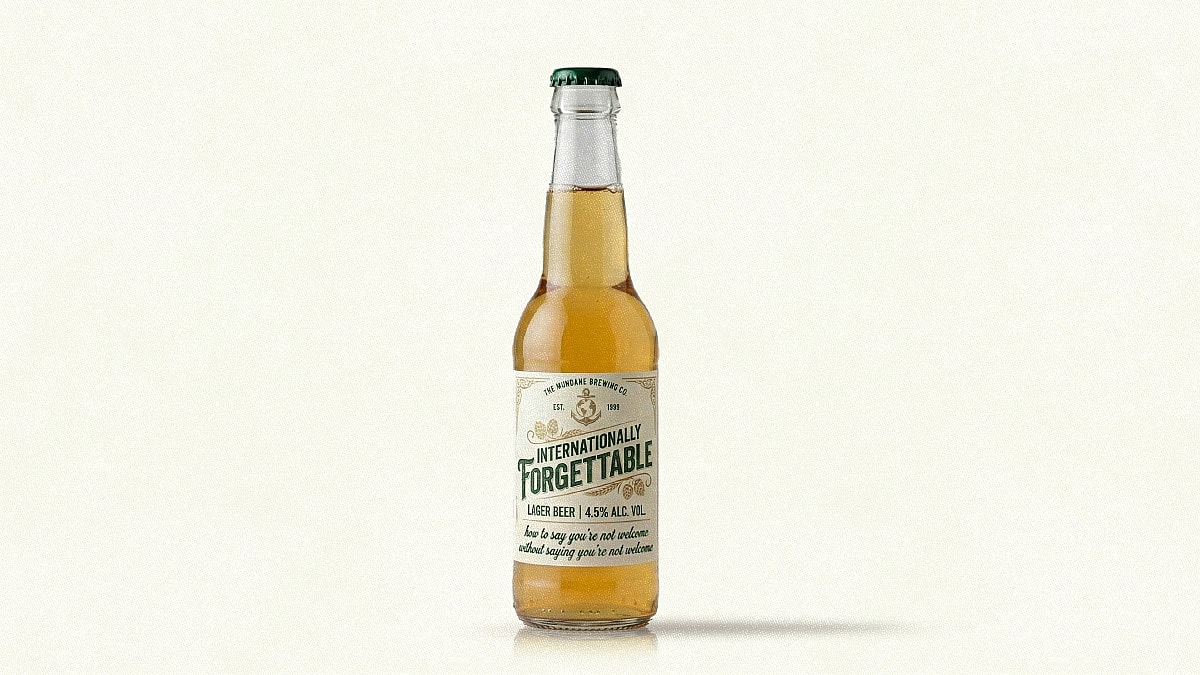
Three options. Two international lagers, both forgettable. One local, drinkable but inconsistent. All of them the same at every bar and restaurant in the resort.
That’s it.
And in that moment — politely, silently, without anyone meaning to — a five-star hotel told me I didn’t quite fit.
THE GUEST THEY IMAGINED
This hotel wasn’t negligent. It was deliberate.
The cocktail programme had been built with care. The wine list had provenance, regions, vintages. Someone made real decisions there.
Beer? An afterthought. Box ticked.
Which means at some point, someone pictured their guest — sophisticated, wine-drinking, probably ordering a Negroni — and quietly decided that beer drinkers weren’t really their kind of people.
That’s not a hospitality decision. That’s a brand decision. A bad one.
Because I am their kind of people. I’m sitting in their hotel. Paying their prices. Hoping to feel looked after.
The guest they imagined displaced the guest who actually showed up.
WHY THAT’S A BRAND FAILURE
Will Guidara writes about this well in Unreasonable Hospitality. Beer drinkers were chronically under-served at high-end restaurants — not because anyone chose to exclude them, but because no one chose to include them.
The assumption was baked in. Beer doesn’t belong here.
Except it does. The beer drinker is already there. Already disappointed. And already deciding whether this place really gets them.
Designing for your imagined guest, at the expense of your actual one, is one of the most common and costly brand mistakes there is.
BRAND PROMISE VS. LIVED EXPERIENCE
I’m not really writing about beer.
I’m writing about the gap between what a brand says and what it does.
This hotel would tell you it’s about exceptional, personalised luxury. That every guest matters. That no detail is too small.
And then it hands me a warm Heineken and calls it a day.
That gap is where trust leaks out. Quietly. Consistently. In ways that never show up on a guest satisfaction score, but absolutely show up in whether people come back.
That’s where brands fall down. Not on recognition. Not on positioning. On care. On whether people feel considered.
EVERY BRAND HAS A BEER LIST
Not literally. But somewhere in your product, your service, your experience — there’s a customer you imagined away. Someone who showed up anyway, and quietly didn’t quite fit.
The question isn’t whether they exist. They do.
The question is whether you’re paying attention.
A short, considered beer list, chosen with the same care as the wine list, would have cost this hotel very little. But it would have told me everything I needed to know.
We saw you. We thought about you. You belong here.
That’s the difference between a hotel that’s good at luxury and a brand that’s great at hospitality.
Business decisions optimise. Brand decisions see people.
Check your beer list.