
The business is usually tired of a brand idea long before the customer has had enough exposure to remember it.
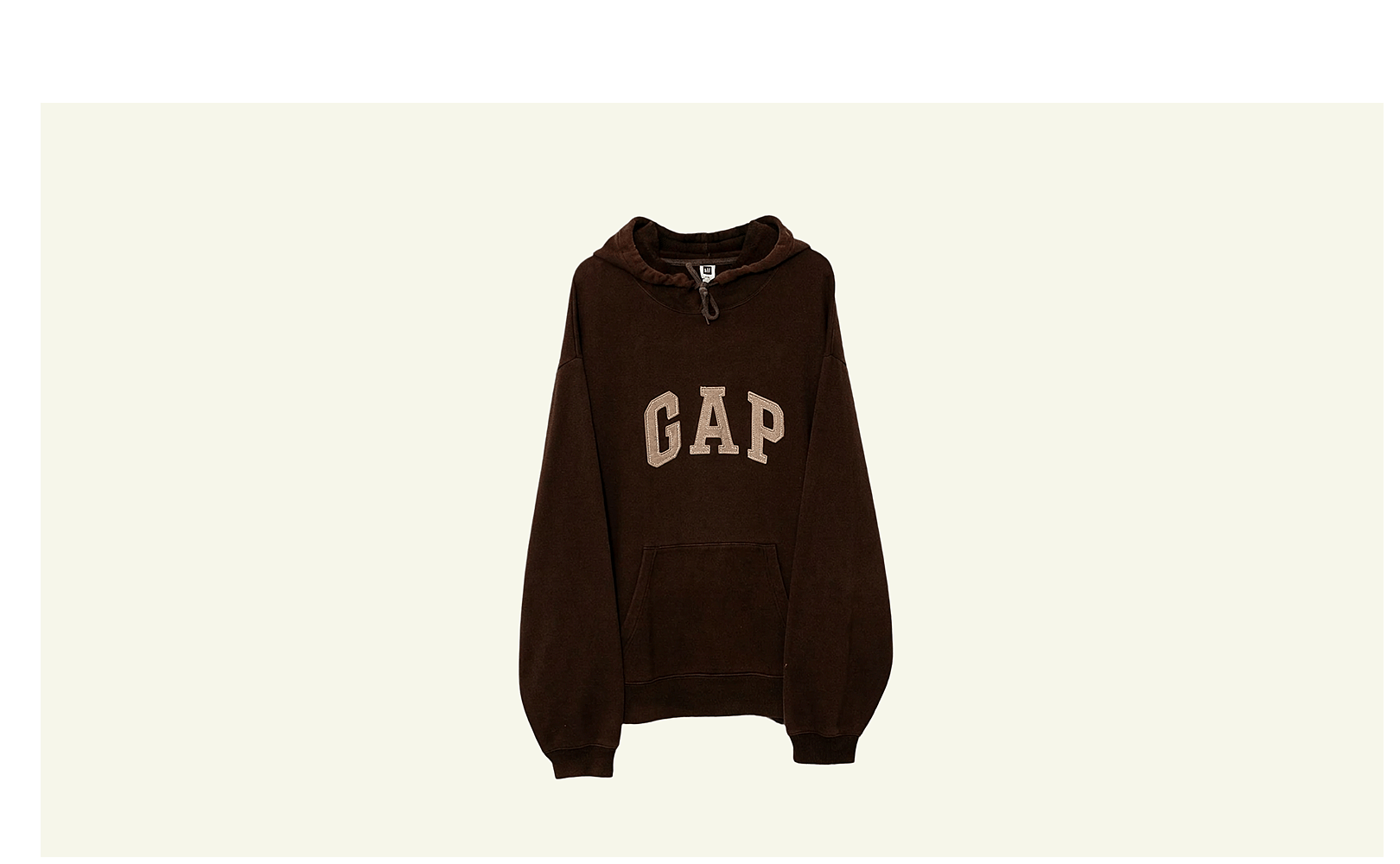
A brown Gap hoodie was selling for hundreds of dollars on resale sites while Gap itself was still behaving as if its own logo was a problem.
That’s the hidden trap of modern brand management.
The value is still there. Customers still recognise the signal. Culture may even be finding it faster than the business is.
But inside the business, someone is bored.
The asset feels overplayed. The codes feel familiar. The work feels done.
So they soften it. Modernise it. Hide it. Replace it with something cleaner, quieter, less embarrassing.
They call it progress.
Often, it’s just impatience.
The fatigue that isn’t the customer’s
Most brands don’t lose distinctiveness in one dramatic rebrand. They lose it in small acts of internal boredom.
A logo gets softened. A colour gets muted. A ritual gets removed. A pack gets cleaned up. A voice gets made more “premium.” A campaign code gets retired because it feels too familiar.
Everyone in the room nods. It feels like the right time to move on.
But move on from what?
The team has been living inside this brand. Forty hours a week. Every meeting, every deck, every email signature. By month six they’ve seen the work a thousand times.
The customer has seen it three.
In 2016 we started a Pride campaign for Skittles. The conviction was simple: give up the colour. The brand that owns the rainbow would step back so the rainbow could mean something else for a month.
The first packs hit shelves in 2017. White. No colour. “During Pride only one rainbow matters.”
We ran the same packs in 2018. In 2019 we gave the pack over to four artists — inspired by Thomas Wolski, who’d been drawing over Skittles packs himself and posting them to Instagram. In 2020 we went back to the simple white pack.

By then the work had been public for years. Inside the team, we’d been thinking about the idea for six or more. We’d cycled through every internal conversation about whether to evolve it, freshen it, push it further or simply protect it. The work felt familiar to us in the way only the people who made it can.
That year a friend texted me. “Did you do these Skittles packs? I absolutely love them. So clever. So nice to see a Pride pack that’s more than just sticking a flag on it.”
It was the first time she’d seen them.
Six years in for us. Day one for her.
And she’s a friend — someone naturally inclined to notice. But a Pride pack is a limited edition, on shelf for a few weeks a year if that. She might not have been in store during those weeks at all. Or she walked past it once or twice without it landing. Memory doesn’t form on first contact. It takes repeated exposure to stick — and a limited edition rarely gives anyone enough.
That’s the gap the whole industry misreads.
Customers visit. The team lives there.
Customers don’t live inside your brand. They’re gloriously busy with their lives. Jobs, kids, bills, trains to catch, dinners to cook, dogs to walk. Your brand is not the main character.
They see your work in 0.4-second glances. Half-noticed. Walked past. Scrolled through. Sometimes forgotten. Sometimes remembered as a shape but not a name.
Meanwhile the team experiences the same work as the wallpaper of their working week.
The people inside a brand experience repetition as fatigue. The people outside it experience repetition as memory.
So when someone in the room says “we’ve done this before,” the better question is: who is we?
Because “we’re bored of it” is not the same as “people know it.”
What Gap actually did
Gap is the case study at scale.
Richard Dickson didn’t reinvent the brand. He gave the organisation permission to behave like Gap again.
He gave the brand a sentence: the original American pop brand.
Then he hired Zac Posen and let him use the archive as a brief, not a constraint. The dance ads came back. The arch logo, big enough to see, came back. The brown hoodie went back into production and got handed to KATSEYE. That one campaign reportedly delivered 8 billion impressions.
Anne Hathaway wore a custom Posen Gap shirtdress to a Bulgari event. The $158 consumer version sold out in three hours. GapVintage now sells archive pieces back to customers at $55 to $90 — the brand’s own former product, reissued as something desirable.
None of this is a new idea about Gap.
It’s Gap, repeated with conviction.
The move — Posen, backed by Dickson — wasn’t about taste. It was about nerve. Someone had to be willing to say the arch is the asset, the hoodie is the asset, the dance is the asset, the archive is the brief. Without that voice, every one of those decisions would have been softened by a meeting room that mistook internal fatigue for customer feedback.
Found is recognition. Lived is the patience to earn it.
You can buy a billion impressions and still not be recognisable. Most “tired” brands aren’t invisible — they’re showing up looking like nobody in particular.
Visibility is media. Recognition is brand.
But recognition takes repetition, and repetition takes patience. That’s where most brands fail. The business loses its nerve before the customer has had enough exposure to lodge the asset in memory.
Found gets you recognised. Lived makes recognition stick. Both require the team to keep repeating the work long after they’re sick of it.
The cultural gap is closed. The product gap isn’t.
This isn’t a victory lap for Gap.
The brand has done the recognisable part. Culture is, for the moment, on its side. But Uniqlo still wins when someone needs a reliable white T-shirt tomorrow. Levi’s still owns denim authenticity. And Gap still has to prove that attention can become repeat behaviour.
Culture moves fast. Trust moves slowly. Product has to catch up.
That’s the harder fight.
The most dangerous sentence in brand management
“We’ve done this before.”
Because often, you have.
Your customers haven’t. Or they’ve seen it once, half-noticed it, walked past it, scrolled through it, remembered the shape but not the name. Then, just as the idea is starting to enter memory, the business gets bored and changes it.
That is how brands destroy distinctiveness. Not with one reckless rebrand, but with impatience dressed up as progress.
So before you change the asset, prove the customer is tired of it. Not the team. Not the board. Not the agency. The customer.
Most brands don’t need more novelty.
They need more nerve.