
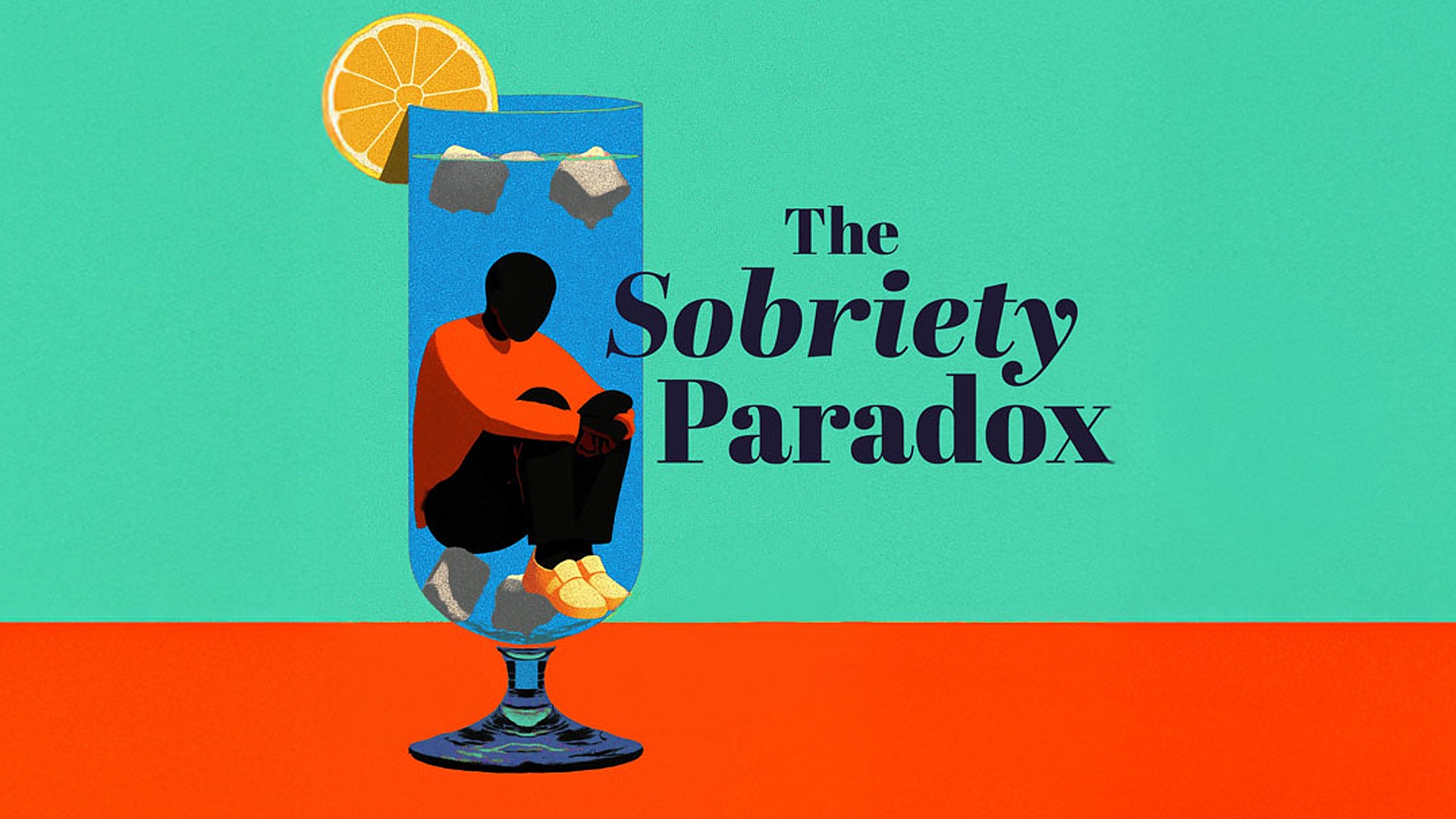
Sobriety is booming… and something vital is quietly evaporating.
The Uncomfortable Truth About Sobriety Culture
We need to talk about the elephant in the room. Yes, sobriety is trending. Gen Z is drinking less, Silicon Valley executives are swapping wine for green tea, and “sober curious” has become a legitimate lifestyle choice. The health benefits are undeniable, the productivity gains measurable. But here’s what the rational optimisation crowd isn’t telling you: we might be throwing out some very human babies with the bathwater.
The Free-Rider Problem Nobody Wants to Discuss
Here’s a behavioural economics thought experiment: What happens when society’s “drinkers” have historically subsidised experiences that everyone enjoys? Think about it. The atmosphere of your favourite restaurant, the vibrancy of that pub where deals get done, the spontaneous conversations that happen when people let their guard down—these spaces exist partly because drinkers support them economically and culturally. It’s like an unacknowledged social contract: those who partook helped fuel the very environment, the buzz of a beloved local, and the viability of a daring new restaurant that benefited many. When Elon Musk calls alcohol a “legacy drug,” he’s missing something fundamental: some legacies endure because they serve purposes we’ve forgotten how to measure.
The Social Alchemy We’re Losing
The loneliness epidemic among young people isn’t happening in a vacuum. As we optimise ourselves into hyper-efficient, green-tea-fueled productivity machines, we’re losing what anthropologists call “social lubrication”, those moments when people signal “weapons down” and become genuinely vulnerable with each other. Alcohol has always been more than a beverage. It’s been a permission slip:
- Permission to be less perfect
- Permission to have that meandering conversation
- Permission for creative accidents to happen
Brands that understand this alchemy can help design and foster the environments where these valuable, unscripted human moments are more likely to occur. In boardrooms across Silicon Valley, executives pride themselves on razor-sharp focus. But when was the last time a breakthrough innovation came from a perfectly linear thought process?
The Innovation Paradox
Here’s where it gets interesting. Some of history’s most creative leaps happened when minds wandered, when rigid control loosened just enough for serendipity to slip in. I’m not advocating for liquid lunches or conference room cocktails. But in our rush toward optimisation, are we accidentally optimising out the conditions that breed breakthrough thinking?
The Cost of Zero
Individual sobriety has clear benefits, no one disputes this. But what happens when we scale individual optimisation to societal transformation? Economic reality check: The restaurant industry is already feeling it. Hospitality venues that relied on alcohol margins are struggling to adapt. Local pubs, those “third places” sociologists tell us are crucial for community are closing. Cultural reality check: If alcohol’s role significantly diminishes, what fills that void? And are those replacements equally effective at fostering the specific types of human connection and creative environment that a shared drink has provided for millennia?
The Sophisticated Response (Not What You Think)
The answer isn’t to fight the sobriety trend. That’s a losing battle with the inevitable. Instead, smart brands and thoughtful people are asking better questions:
- How do we champion moderation over elimination? Think ritual over quantity, experience over intoxication, mindful appreciation over mindless consumption, transforming consumption into a signal of discernment and an appreciation for the art of connection, rather than mere escape.
- How do we elevate specific occasions? If daily drinking declines, make special moments more special. Celebrations, creative brainstorming sessions, genuine connection points.
- How do we make non-drinking inclusive rather than exclusionary? A well-crafted non-alcoholic option means everyone can participate in the toast, the round, the shared ritual, ensuring the social fabric remains intact for all.
Reframing the Conversation
Instead of letting alcohol be dismissed as a “legacy drug,” what if we repositioned it as a “cultural constant”, something that has adapted and evolved with humanity for thousands of years, not because we’re addicted, but because it serves enduring human needs? The most successful brands won’t fight sobriety culture, they’ll become thoughtful custodians of the spaces and experiences where moderate, mindful consumption enhances rather than diminishes human flourishing.
The Bottom Line
We’re not arguing against sobriety. We’re arguing for nuance in a world that loves binary choices. Sometimes the most rational choice is to embrace a little irrationality. Sometimes the most productive thing you can do is create space for unproductive wandering. Sometimes the healthiest communities are ones that can hold space for different approaches to the same fundamental human needs. The future isn’t sober versus not sober. It’s thoughtful versus thoughtless.