
The drinks industry has spent years worrying that younger people don’t drink.
The bigger problem may be that too many drinks brands don’t know what they’re for.
Because the story we’ve been told is too neat. Gen Z is sober. Gen Z is wellness-obsessed. Gen Z has swapped cocktails for kombucha. Gen Z is killing the category.
Except the data says something more interesting.
Younger drinkers haven’t disappeared. They’ve become more selective.
They are not rejecting alcohol. They are rejecting drinking without a reason.
That distinction matters. Diagnose the problem badly, and you solve it badly. You launch more youth-coded campaigns. More low/no extensions. More flavours. More limited editions. More trend-shaped nonsense.
But the opportunity isn’t to chase younger drinkers.
It’s to understand what role drinking still deserves in their lives.
The Decline Story That Isn’t
The data tells a more interesting story. IWSR reported that across 15 markets, the proportion of legal drinking-age Gen Z adults who had consumed alcohol in the previous six months rose from 66% in March 2023 to 73% in March 2025. In the UK, it reached 76%.
Time Out’s Sip Happens report adds the contradiction: 40% of Gen Z say they never drink alcohol at home, yet they are 1.5 times more likely than Millennials to seek out high-ABV drinks when they go out.
That doesn’t sound like blanket rejection.
It sounds like occasion editing.
No casual drink without a reason. No default beer on the sofa. But when the occasion earns it, they still want impact, theatre and memory.
CGA by NIQ tells a similar story from the on-trade. Alcoholic drink occasions in pubs and bars grew 2.5 percentage points year-on-year — led by 18-34s. Gen Z accounts for 20% of the population but 28% of on-premise visits. Nearly half say they drink in “third space” venues at least weekly.
So perhaps the industry isn’t facing rejection. It’s facing a relevance test.
Maybe younger drinkers didn’t disappear. Maybe too many brands stopped designing occasions worth showing up for.
Three Bad Conclusions — And Better Ones
Bad conclusion: “Gen Z is sober.” Better conclusion: Gen Z is selective. They’re not opting out. They’re editing the occasion. Diageo’s own 2025 trends report identified “zebra striping” — alternating alcoholic and non-alcoholic drinks within the same occasion — alongside a 79% year-on-year rise in conversations around “decelerated occasions.” The future of drinking is not simply more or less. It is faster here, slower there. Higher impact here, lower consequence there.
Bad conclusion: “We need more youth-coded brands.” Better conclusion: youth-coded isn’t the same as useful. Younger drinkers don’t need brands that speak fluent TikTok. They need brands that make social drinking easier, clearer, more visible and more worth remembering. Useful socially. Useful emotionally. Useful in the moment. Useful as a signal. Useful as a way to belong without losing control.
Bad conclusion: “Innovation means more liquid variants.” Better conclusion: innovation means occasion design. The liquid matters, but it is rarely the whole experience. The winning edge is the serve, the ritual, the format, the pace and the social behaviour.
They Mistook Difference for Disinterest
Wine offers a useful warning.
For years, parts of the wine industry blamed younger drinkers for not engaging properly. They didn’t know enough. They didn’t respect the rituals. They were too casual, too visual, too uninterested in the old markers of quality.
But wine didn’t lose younger drinkers because the liquid stopped being interesting. It lost them because the culture around the liquid became too hard to enter.
Then younger drinkers found a different version of it: natural wine bars, orange wine, looser codes, easier language, labels that felt like culture rather than homework.
They didn’t leave the category. They left the category’s assumptions.
That is what happens when a category expects new consumers to inherit old rituals without making them easier, more useful or more enjoyable. And it’s a warning for every drinks business sitting on inherited codes — whisky, tequila, gin, rum, aperitifs.
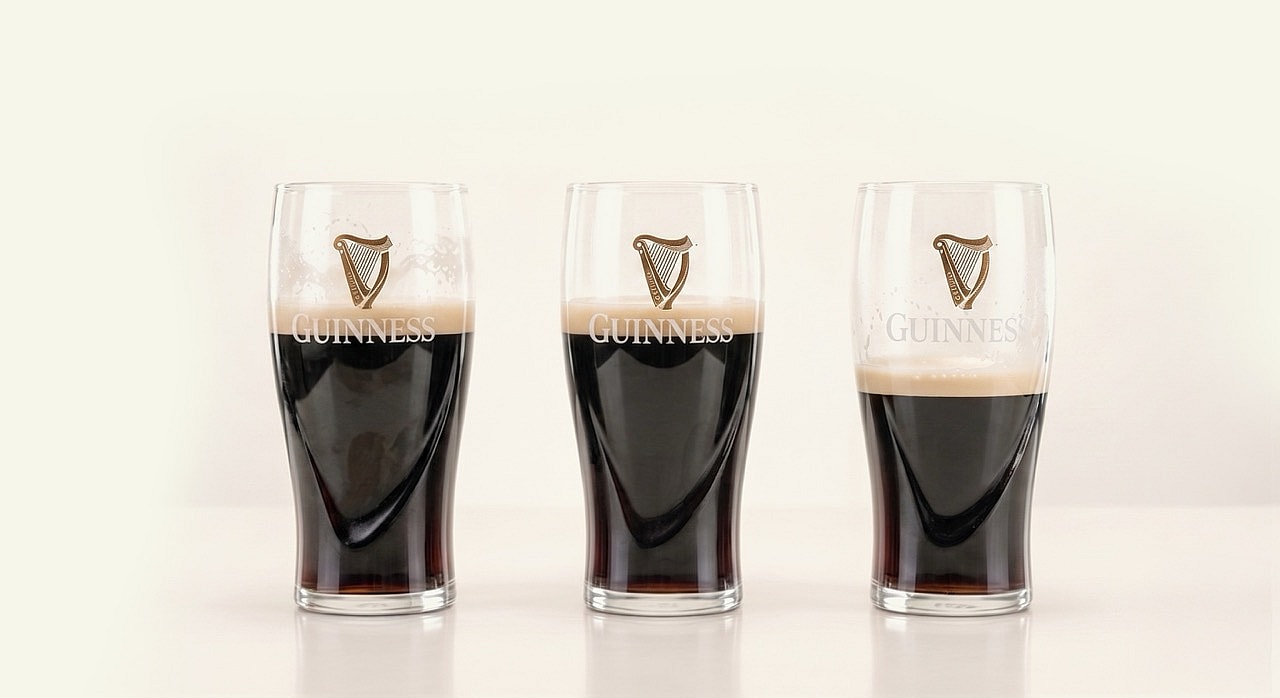
Guinness Didn’t Chase Youth. It Gave Youth Something To Do.
It would be easy to say Guinness has become popular with younger drinkers because TikTok found it, or because nostalgia is fashionable.
But the deeper reason is simpler: Guinness gives people something to do.
The pour. The wait. The settle. The glass. The first sip. The “split the G.” The pint that looks good in your hand and even better on the table.
It’s not just a drink. It’s a behaviour. And behaviour travels.
That’s what many brands forget. Younger drinkers don’t just buy products. They perform choices. Not always loudly. Not always online. But socially, visibly, repeatedly.
A brand that gives them a ritual is easier to adopt than a brand that gives them a tasting note.
For younger drinkers, meaning often comes from use, not provenance. Not “where is this from?” but “what does this help me do? Where does this fit? What does it say without me having to explain it?”
That is the real premiumisation opportunity. Not just better liquid. Better social design.
What Winning Looks Like
In our Connect in FULL® framework, brands grow when they are found, understood, lived and loved. Younger drinkers make that brutally obvious.
Be Found. Fast. Not just on shelf. In a fridge. On a back bar. In someone’s hand. Across a crowded pub. Guinness has the black pint. AU has the gold bottle. BuzzBallz is impossible to miss. Distinctiveness is not decoration. It is speed.
Be Understood. Make the role obvious. Younger drinkers are making sharper choices. That means brands need clearer roles. First drink. Big night. Slow dinner. No-regret second drink. If people don’t understand when you fit, they don’t choose you.
Be Lived. Build repeatable behaviour. The future won’t be won by campaigns alone. It’ll be won by rituals people can copy. The Guinness pour. The tequila serve. The martini order. The spritz at golden hour. The Baileys-on-ice treat moment. The 0.0 switch that keeps someone in the night without costing them the morning. Younger drinkers aren’t short of brands. They’re short of useful social scripts.
Be Loved. Create stories, not just satisfaction. A drink can taste good and still be forgettable. Love comes when the brand becomes part of the story people tell afterwards. The perfect first round. The beautiful pour. The ritual that made the group laugh. The drink that made the night feel better without wrecking the morning.
The Real Question
The drinks industry has spent years treating younger consumers as a problem to solve. They don’t drink enough. They don’t respect heritage. They don’t behave like the generations before them.
But younger drinkers haven’t abandoned alcohol.
They’ve abandoned lazy drinking occasions, lazy category codes and lazy assumptions about what a drink should do.
Younger drinkers are not killing alcohol. They are killing drinking without purpose. Drinking without ritual. Drinking without social usefulness. Drinking without a clear role in the night.
That is uncomfortable for lazy brands.
But it is good news for better ones.
Because when people become more selective, the answer is not to shout louder.
It is to matter more.
That is the opportunity for drinks leaders now: not to drag younger drinkers back to old behaviours, but to design brands, rituals and occasions that fit the way social life actually works.